
How to cook rice without a bag
While buying rice for dinner earlier, I was struck again by a phenomenon that has bothered me for a while. That's 'boil in the bag' rice. It's the variety that is front and centre in my local supermarket and no doubt a box to be found in plenty homes in Ireland if mine is anything to go by.

I've often wondered why anyone would want to a) cook this and b) eat this. I mean, you're going to the bother of boiling the rice anyway so why not cut out the plastic bag? Who wants to eat food (unnecessarily) boiled in a plastic bag? So I asked Twitter why this oddity had a place in our cupboards and got a bunch of different responses, including as many siding with my bafflement.
"It's all about being the right portion size :)"
"It's for people who don't know how colanders work. Or have portion control issues. Or who worry about how to wash rice..."
"it's for people who can't cook rice or are nervous of it"
Portion size is easily addressed. Invest in some handy measuring cups or just use a regular, bog standard tea cup or small mug.
Regarding the colander, my method doesn't involve a colander at all. And that's not just to avoid washing up. As for washing rice, that's something I haven't encountered yet!
Fear of doing it wrong? Don't be! Cooking rice sans plastic is simple and I urge you to ditch the plastic and give it a go. Even if it can't be proven to be bad for you, think of the environment! Thanks Jenni for showing me this method, it's never steered me wrong.
1. Measure
1 cup = 125g = enough for about 2 people. That's according to your trusty box of Uncle Ben's 'Boil in the Bag' stuff.
Don't have a measuring cup to hand? Here's a scale that might help you choose how far up your favourite mug to go.
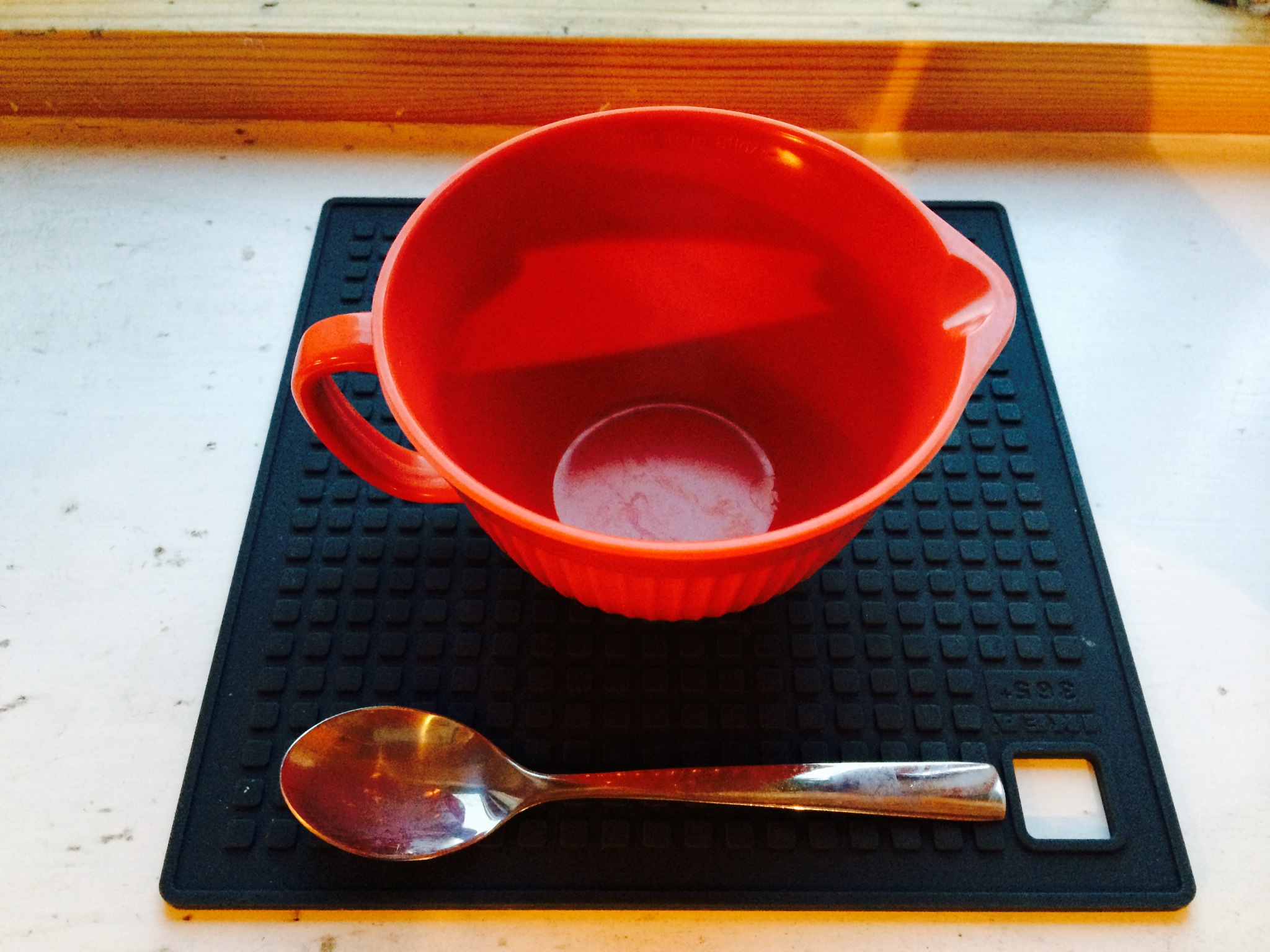
The most important of measuring your rice out is that you use the same cup/mug/jug to measure your water. For brown rice I use 1 part rice to 2 parts water. Depending on how you like your rice you may choose to add a little splash more.
2. Do not stir
Stick the rice and water in a good saucepan with an optional pinch of salt. Pop on a lid and bring it to the boil simmering away until the water is no longer visible.
Do not stir the rice. Leave it be! This is important as it stops it becoming mushy.
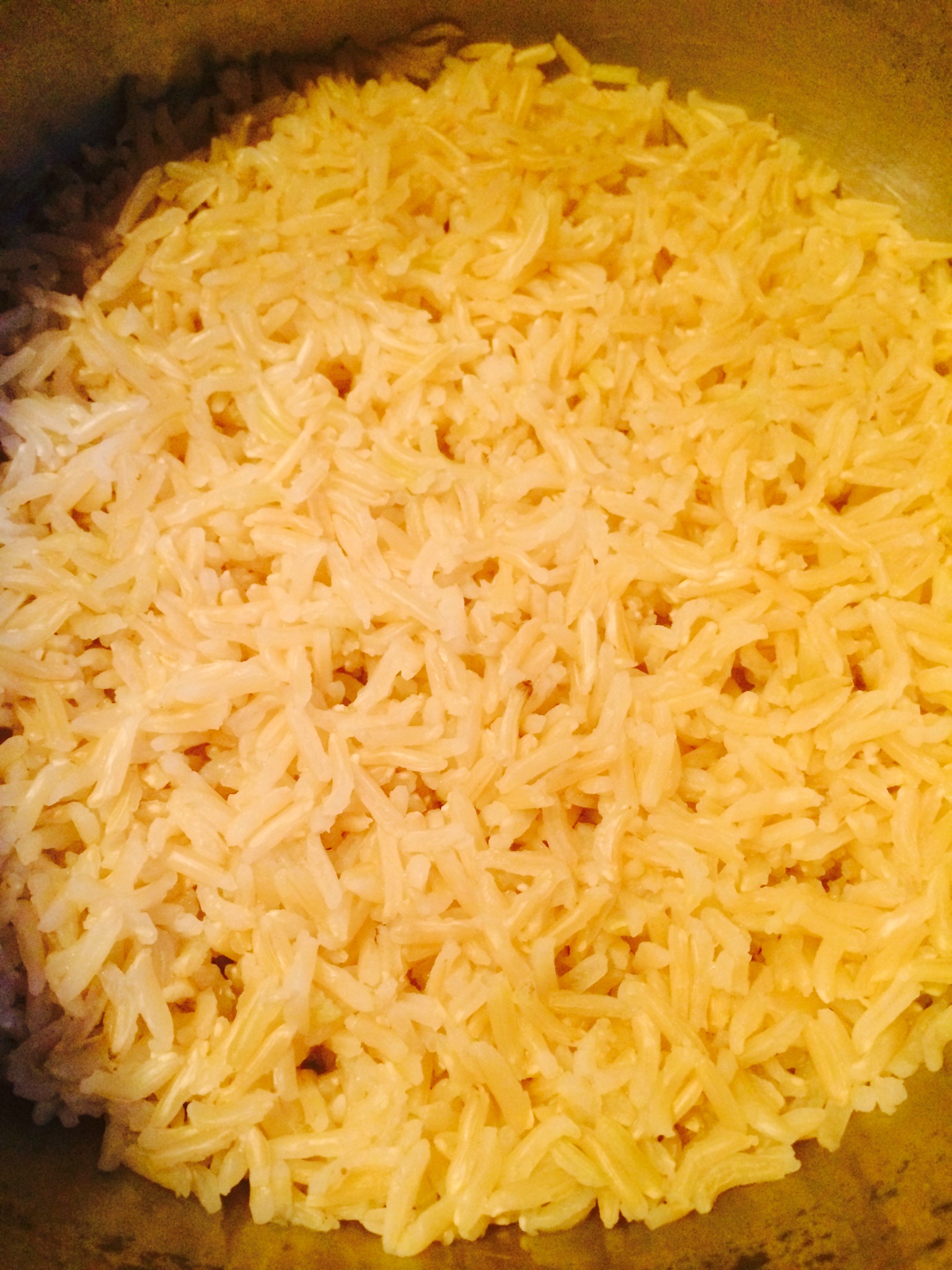
3. Look & listen
When the water seems to have disappeared, leave the lid off and keep it on the heat. Hissing turns to a kind of a pop or crackle. Let all the water steam right out.
4. Try it!
I can't remember which chef asked the question:
"How can you tell when spaghetti is cooked?"
To which he got answers that included "throw it at the wall and see if it sticks" but the same answer applies here. Try it! If it's cooked to your liking, then you're all set. Not there yet? Pop a little bit of water in, lid back on and go through the same process again for another few minutes.
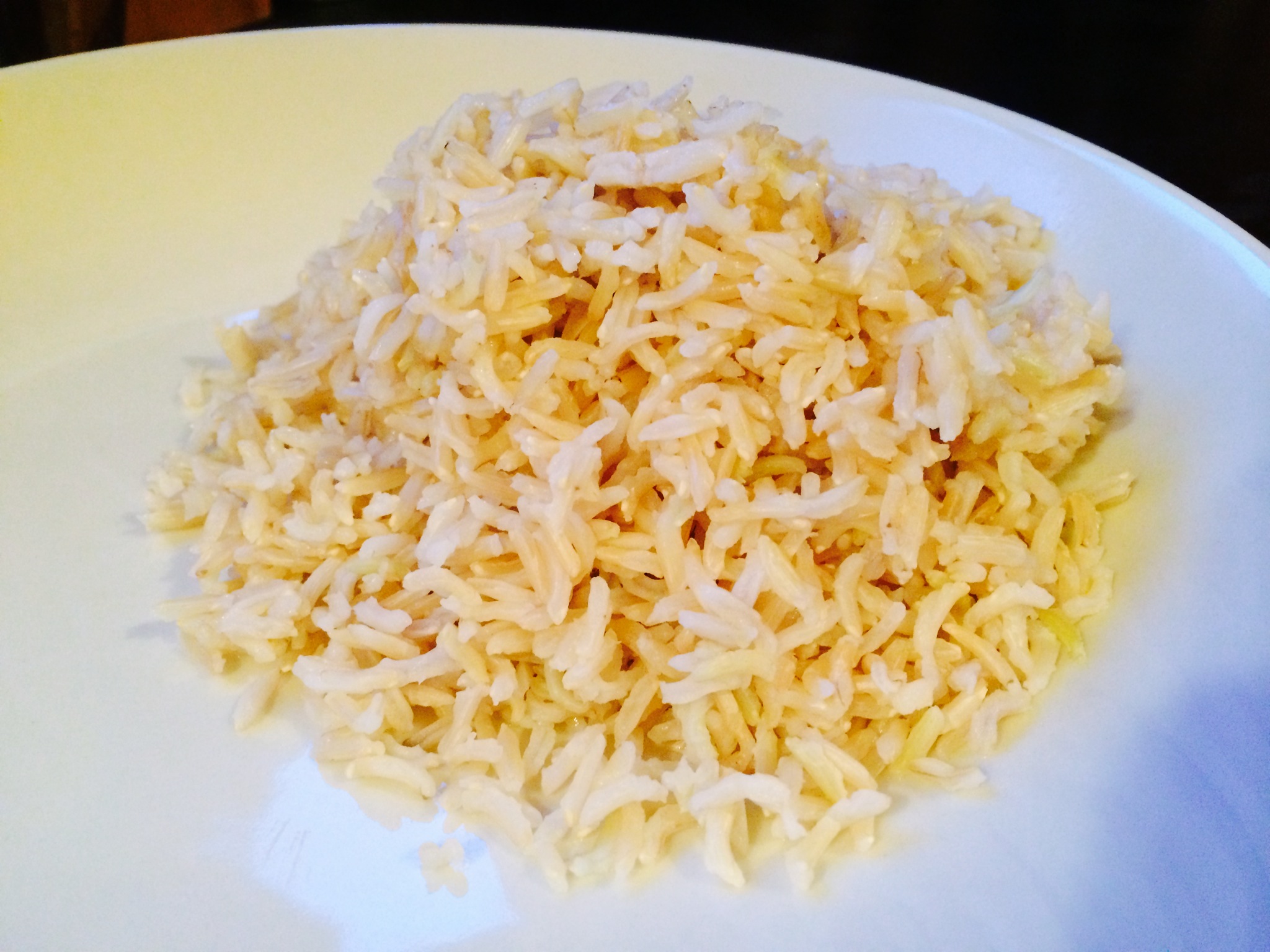
And no, your pot shouldn't burn or blacken if you're keeping an eye and ear on it. Give it a poke to see how the water level is doing if in doubt.
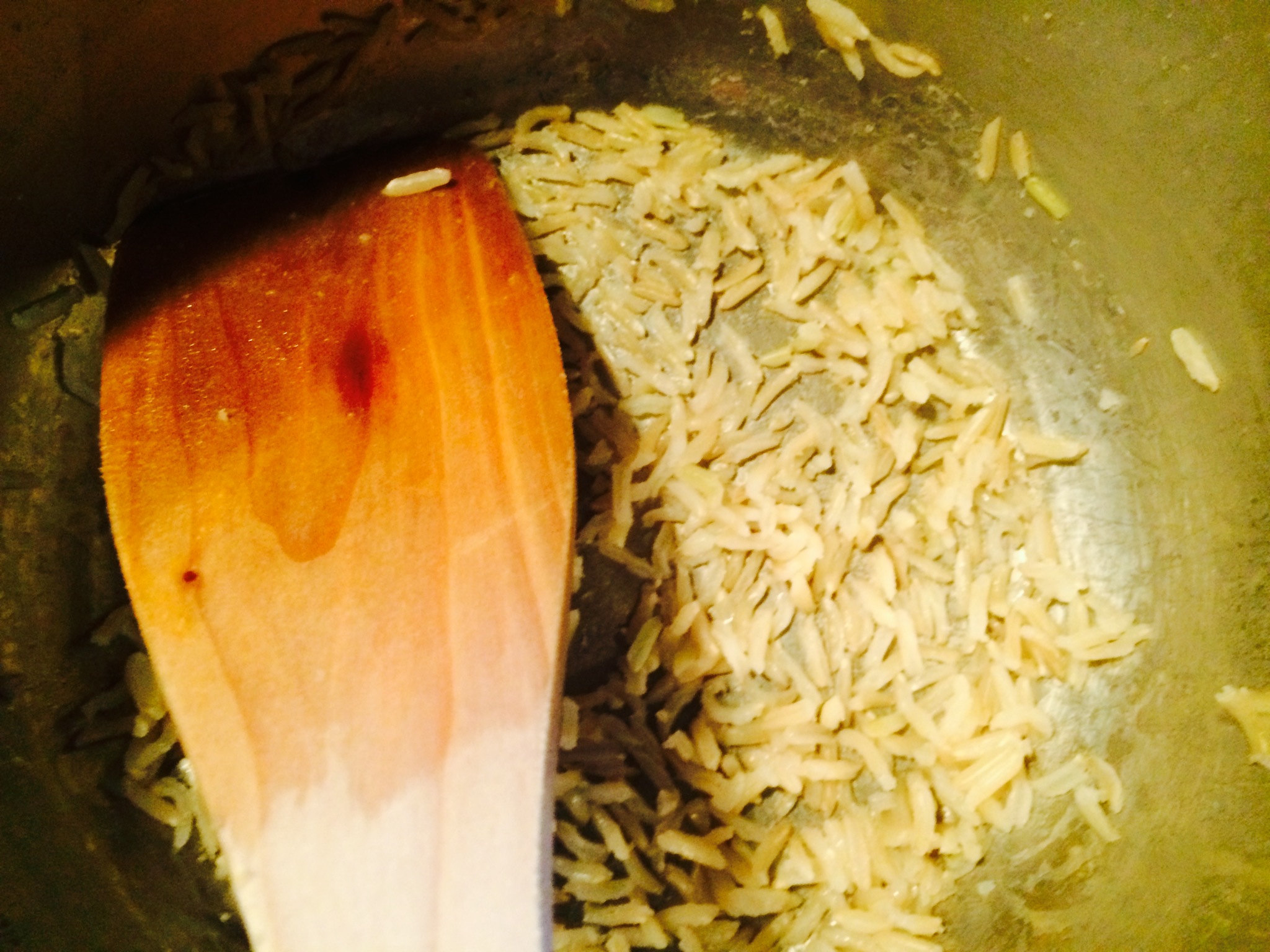
Cooking is about trial and error
I've been cooking or as I like to think of it "making food to feed myself" since I was wee, probably because I was brought up in an environment where it was no big deal and part of the daily grind.
It saddens and worries me when I meet people who don't cook, particularly out of fear of doing it wrong.
What's the worst that can happen? Like most skills in life, it's all about trial and error. Once you have a bit of cop on and a few essential tools, you're good to go.
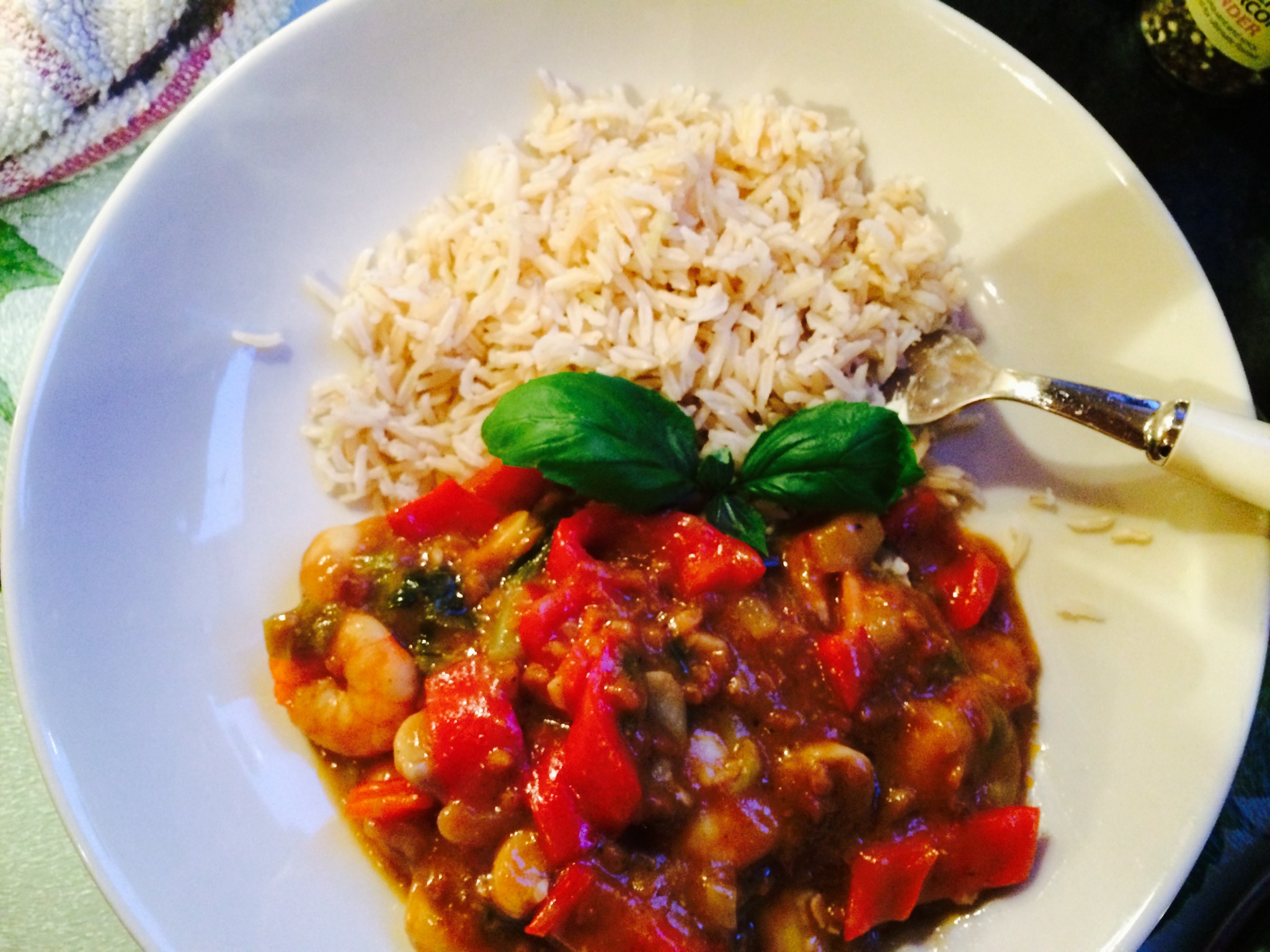
Happy cooking!